A human connection across distance.
Two people, twenty years of ocean photography, and a long-held ambition for productive land in Uganda.
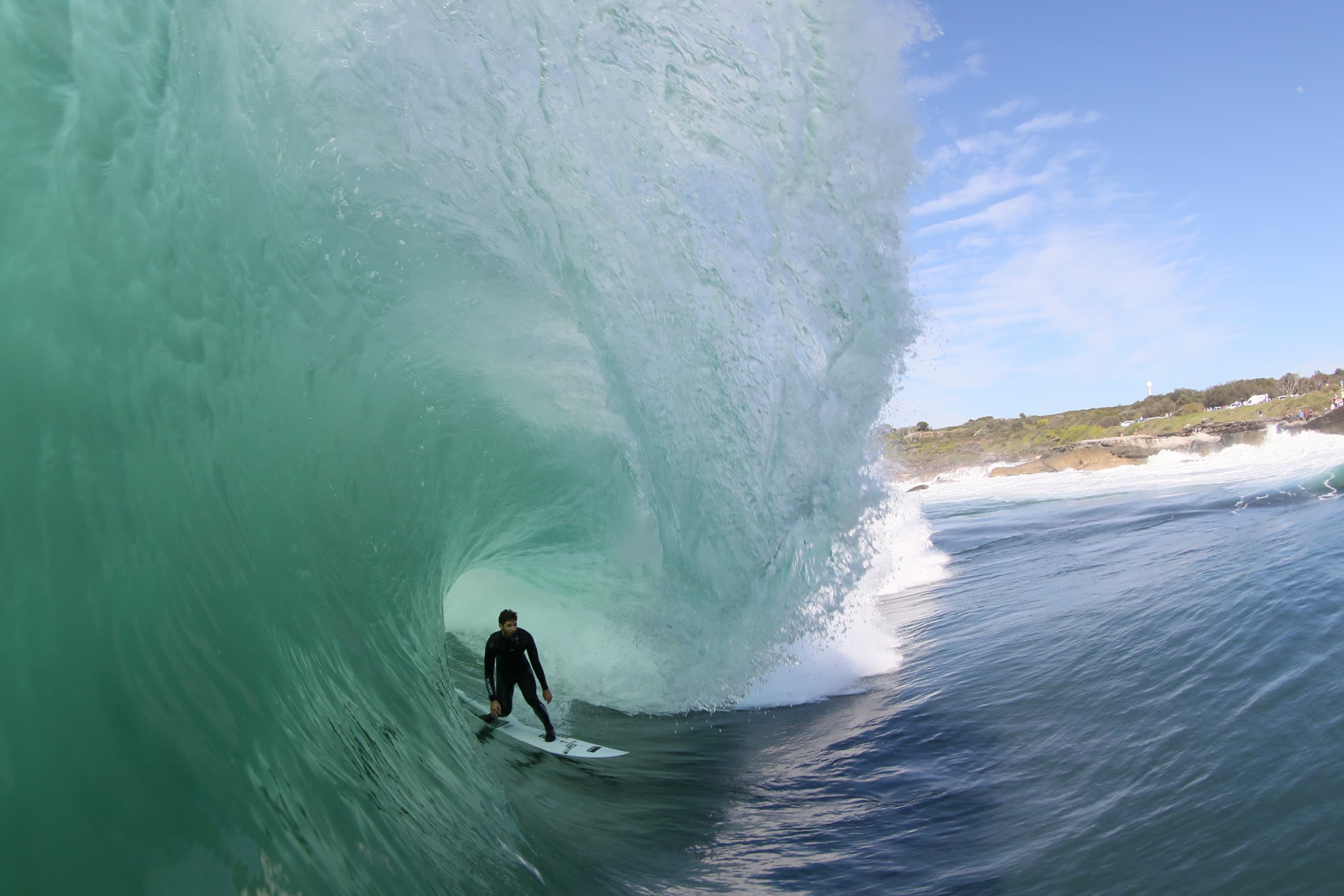
Brenden Newton, behind the camera.
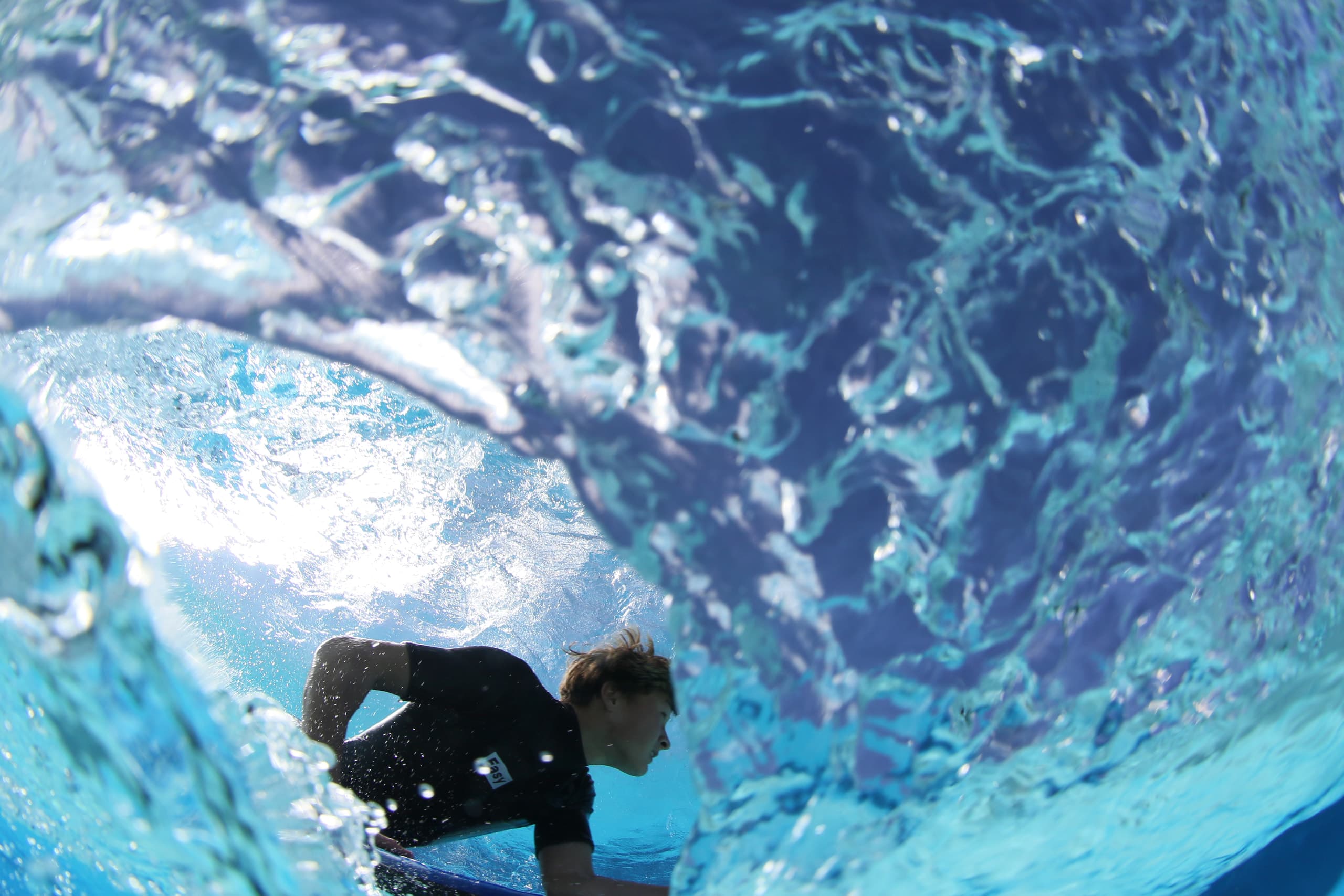
Brenden Newton has spent twenty years in the water with a camera, from shooting eight-foot Chopes on Mickey Smith's Canon film camera in 2006 to regularly photographing slabs on the South Coast and in Sydney more recently. The images are personal and gritty, made from inside heavy water rather than from the safety of the shoulder.
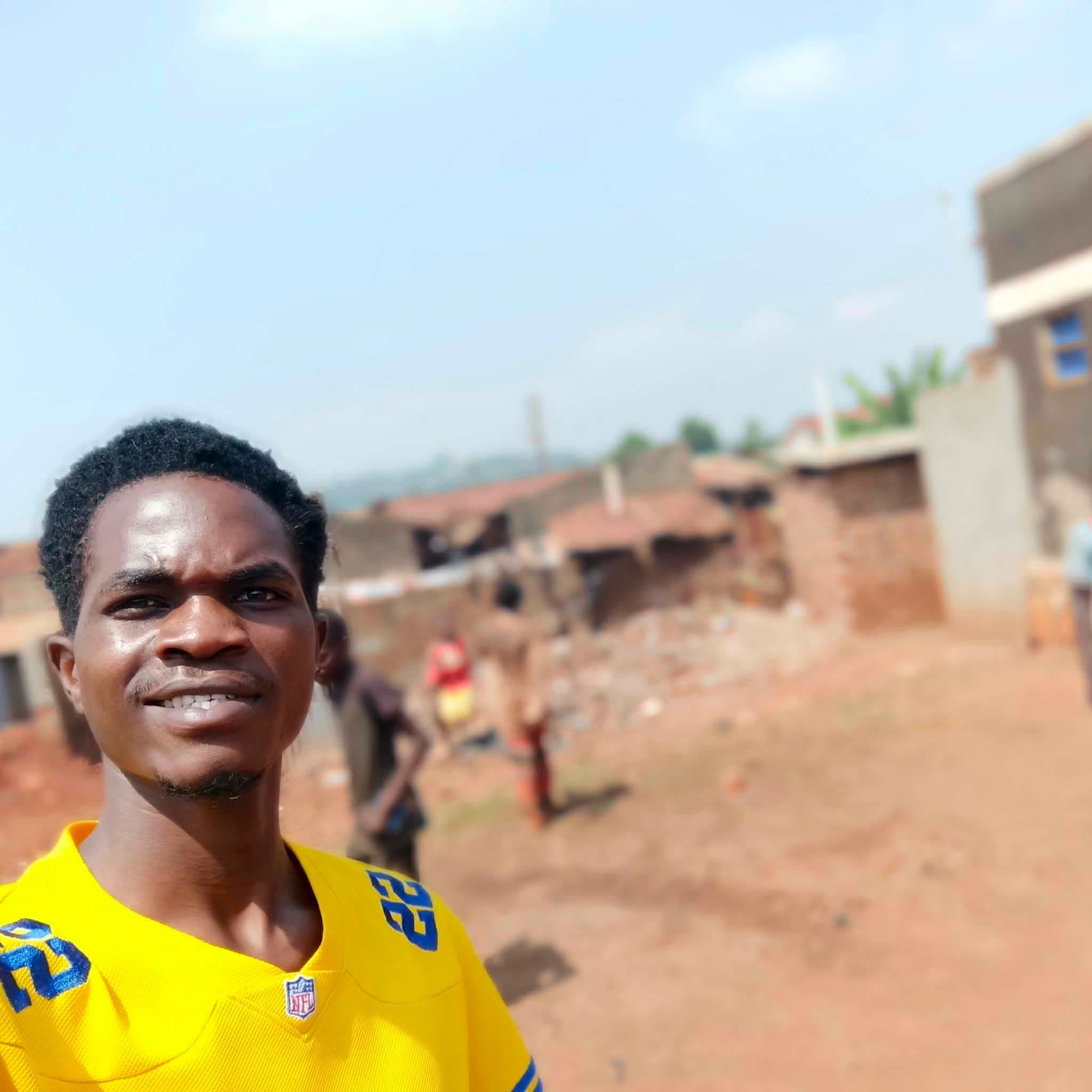
Magezi, a project partner with a long-held vision.
Magezi founded a not-for-profit orphanage to support children, his family and the wider community that continues to turn to him for shelter and food. For almost a decade, he has carried a vision for land the orphanage can own and farm for the long term. Magezi is an active project partner in this work, and its direction is shaped with him.
A connection since 2020.
In 2020, Magezi met Brenden through the global expansion of the AIME mentoring program. Since then, a relationship has developed that may finally offer a pathway toward the dream Magezi has held for so long.
The gathering pictured below brings Magezi together with children from the community.
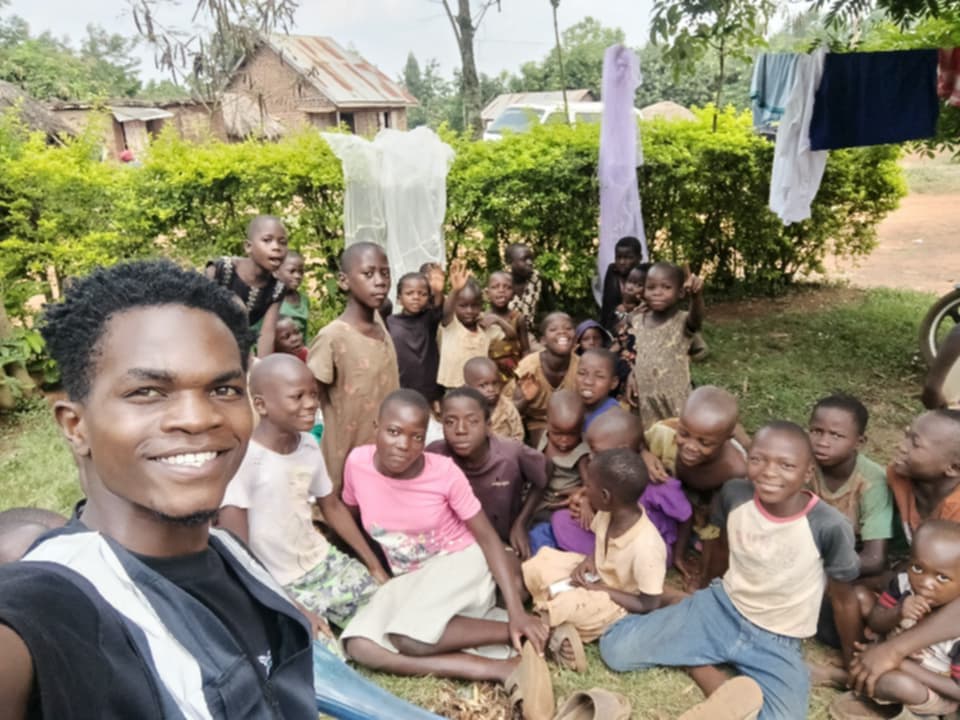
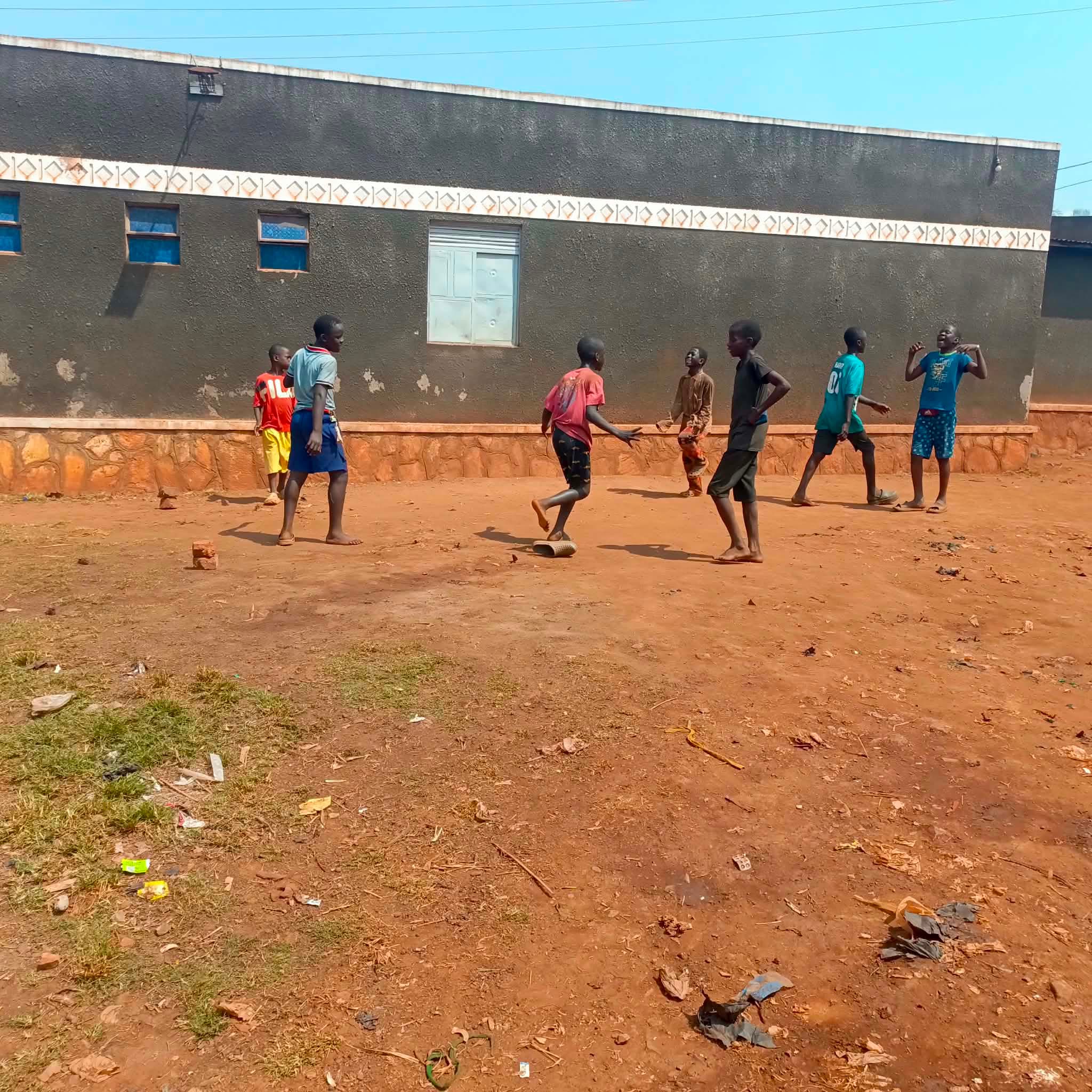
Toward a plot of land in Uganda.
The Grey Space Project is working toward raising A$12,000 for the agreed purchase of land priced at UGX 32,000,000. The land will be owned by the orphanage Magezi founded, not by an individual. Carefully farmed, it has the potential to improve food security for an estimated 30 to 50 people.
No payment has been made yet. The land is not yet secured, and the outcome is not guaranteed, but the agreement creates a practical path for the project to work toward.
Ocean photography, and the land it is working toward.
Brenden's ocean photography and Magezi's land project are not separate stories. The images made in heavy water are being brought together as a way of moving this project toward the land in Uganda, connecting a body of work made on one side of the world with a possibility taking shape on the other.
The next step starts with a conversation.
Ask about the project, the photography, or how the work is moving toward the land ambition.
Start a conversation